AIS Education & Prevention
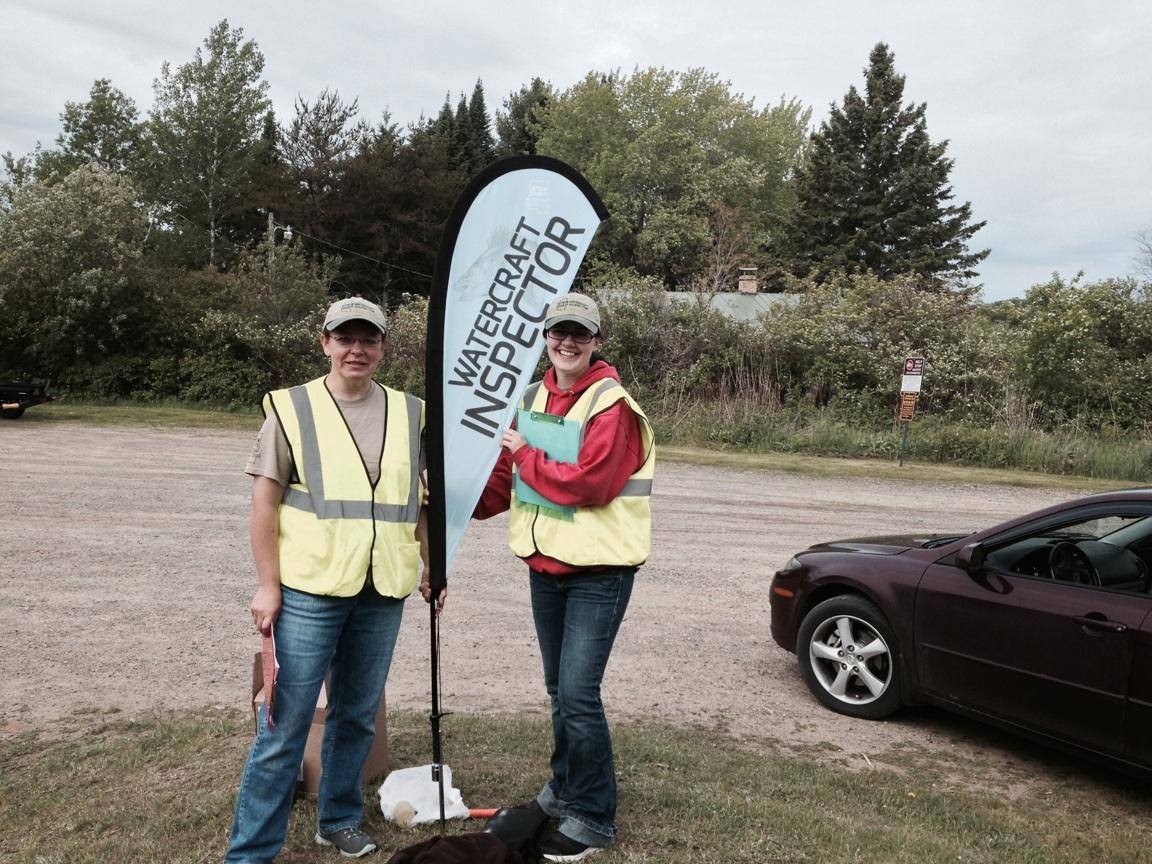
The threat of Aquatic Invasive Species (AIS) infestation continues to grow in Minnesota lakes and rivers. LMA has been proactive in protecting Lake Minnewawa with a program to combat AIS through public education and watercraft inspections.

Watch these educational videos
In Minnesota it is illegal to:
- Transport watercraft without the drain plug removed
- Arrive at lake access with drain plug in place
- Transport aquatic plants, zebra mussels, or other prohibited species, whether dead or alive
- Launch watercraft with prohibited species attached
- Transport water from Minnesota lakes or rivers
- Release live bait into the
water.
What YOU Can Do:
1. Inspect all watercraft, trailers, and water-related equipment; remove any visible aquatic
plants, zebra mussels, and other prohibited invasive species before leaving any water
access.
2. Drain water from boat, live-well, bilge, impeller, bait containers and other equipment
holding water before leaving any water access. If you want to keep your live bait after
draining bait containers, you must replace water in bait containers with tap or spring
water.
3. Dispose of unwanted bait in the trash. It is illegal to release live bait into a waterbody or
release aquatic animals from one waterbody into another.
4. If you have been in any other lake take your boat to the FREE Aquatic Invasive Species
Decontamination Washing Station.
Water Quality
The Lake Minnewawa Association (LMA) was formed in 1961. The purpose of the Lake Minnewawa Association is to promote and develop interest in controlling pollution, beautification water safety and stable water level maintenance. In general it is dedicated to creating and promoting methods of improving and preserving the overall condition of Lake Minnewawa.
Havesting Machine in Action
Fishery
In recent years we have teamed up with the DNR with stocking project to help increase the number of walleye available in the lake. Our next phase is to work to help improve and protect fish habitats in Minnewawa so there is adequate areas for spawning.
fry stocking and scap netting
Special Projects
weirs dam
The Lake Minnewawa Association along with the Lake Minnewawa Lake Improvement District have been discussing the installation of a weirs dam to the present dam on Lake Minnewawa.
The definition of a weirs or low head dam is: a fence or enclosure set across a waterway with one opening for letting fish in. Conversations with the Atkin fisheries has indicated there is a large walleye spawn in the creek below the dam. When the walleye are done spawning they have no choice but to go back down stream. There are also the walleye from Lake Minnewawa that move to the creek area in the spring for the purpose of spawning and get washed over the dam and have no means to return.
A weirs dam is a series of steps and pools that would allow the walleye to move back up into the lake.
On September 27, 2018 a site visit to the dam was made by Steve Bruesewitz and Greg Berg (Aitkin County Fisheries), Jeff Tillma (Stream Habitat Specialist), Steve Hughes (Aitkin County Soil and Water), Jeff Boyd (landowner), Tim Rinowski and John Montour (LMA Association), Pat Rath (LMA Lid), and Pat McGinn (BSLWAMP and lake resident). It was determined to be a very doable project that would be a great asset to our lake.
All the work would be done below the dam, and the height of the dam would not be changed. The only alteration to the dam structure would be a 12X12 slot cut into the dam to allow the fish access to Lake Minnewawa.
This project has a lot of steps to go through before any work can be started. The preliminary timeline is 18 to 24 months before machinery would begin to be moved to the site.
The Lake Minnewawa Association, Lake Improvement District, along with the DNR and fisheries will have meetings open to the public to discuss this project in detail.
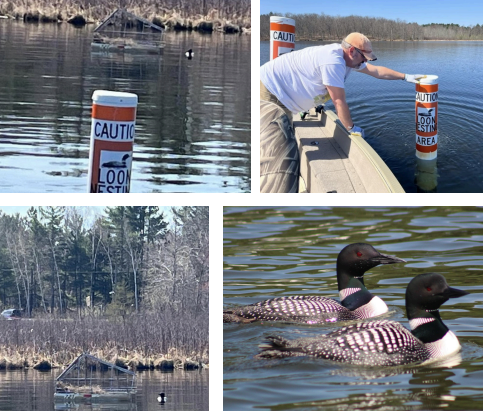
Loon Nesting Platforms
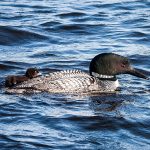
The Loon nesting program contiues for the 2025 Season. It all
started with 3 nesting platforms in 2021 and an additional
platform was added in 2023. It typically can take 3- 5 years
for loons to accept the platforms as a nesting site. We have
been lucky and had great success at the platform placed
near Bann’s. Loons have nested on the Bann’s platform
location each year since 2021and hatched baby loons each
year. The other platforms have had loons investigate the
platforms but no nesting as of yet. The loon platforms give the
loons a more secure nesting site that floats with water
changes and provides protection from predators. The
platforms are placed on the lake with help from Willeys
Marine the week after ice out. Loons arrive on the lake right
after ice out and begin looking for nesting sites. At the Bann’s
platform location, the loons are typically on the platform
within a few days. The LMA places signs to warn boaters that
there are loon nesting platforms in use and to please stay
back to allow the loon privacy. The LMA is a member of the
MN Loon Friendly Lake registration and enrolled in the Loon
Watchers program. They keep loon data including counts and
activity records of the loon population on Lake Minnewawa.
Coming Soon
Public Landing Maintenance